
Allergan v. MSN Laboratories: Federal Circuit Protects Eluxadoline Patent Term Adjustment from Double-Patenting Attack
By Prashant Kotian, PhD Researcher (Chemistry), ICT Mumbai
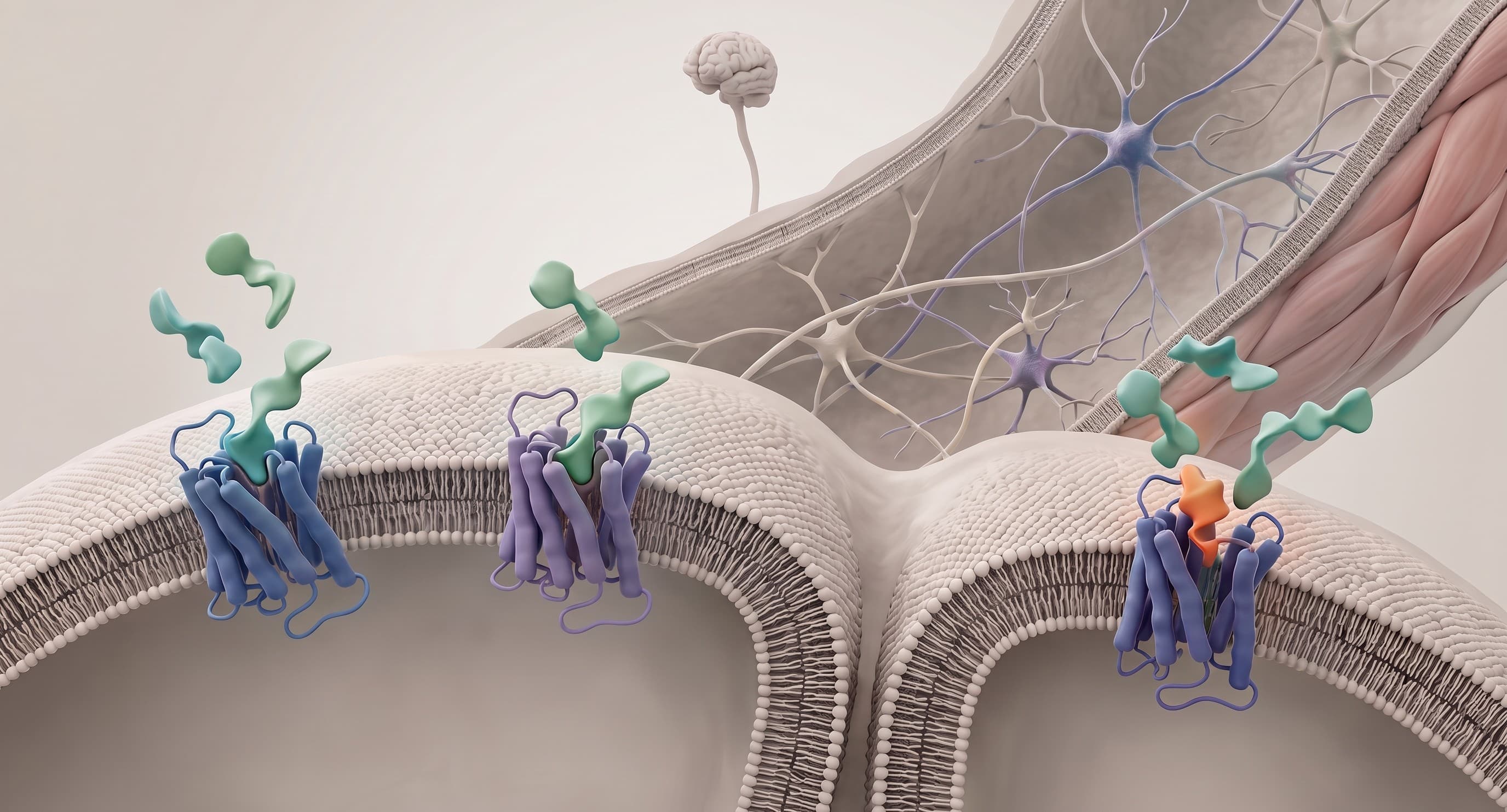
The Federal Circuit recently issued a highly anticipated ruling in *Allergan USA, Inc. v. MSN Laboratories Private Ltd.*, delivering a crucial victory for pharmaceutical innovators and clarifying the controversial boundaries of Obviousness-Type Double Patenting (ODP). At the center of the dispute is eluxadoline (Viberzi), a structurally complex, locally acting mu-opioid receptor agonist used to treat irritable bowel syndrome with diarrhea.
Generic manufacturers, including Sun Pharma and MSN Laboratories, sought early market entry by attacking Allergan's core U.S. Patent No. 7,741,356. The '356 patent was the first filed and first issued in its family, and it received a substantial Patent Term Adjustment (PTA) to compensate for delays at the USPTO, giving it a later expiration date than its subsequently filed continuation patents.
Relying heavily on the controversial 2023 *In re Cellect* precedent, the generic challengers successfully convinced the district court that the earlier-expiring continuation patents could serve as ODP references to invalidate the later-expiring parent patent. This outcome deeply unsettled the life sciences industry, as it effectively penalized inventors for filing standard continuation applications to protect their chemical innovations, threatening to wipe out hard-earned PTA.

The Federal Circuit firmly reversed the district court. The Court established a bright-line "safe harbor" rule: a first-filed, first-issued, later-expiring claim cannot be invalidated by a later-filed, later-issued, earlier-expiring reference claim sharing a common priority date. The ruling clarified that the doctrine of ODP does not prevent a patentee from receiving the full statutory benefit of PTA for a foundational parent patent simply because related child patents happen to expire earlier.
From a chemistry perspective, protecting the foundational patent is critical. Eluxadoline possesses sophisticated mixed pharmacological activity--acting simultaneously as a mu- and kappa-opioid receptor agonist and a delta-opioid receptor antagonist--reducing bowel contractility without crossing the blood-brain barrier to cause systemic central nervous system effects. Securing robust exclusivity for such complex molecules requires significant investment.
The decision is a massive relief for patent portfolios relying on PTA to extend the commercial runway of blockbuster chemical entities. By narrowing the scope of *In re Cellect*, the Federal Circuit has restored predictability, ensuring that generic manufacturers cannot weaponize an innovator's own continuation patents to prematurely strip away statutory PTA.
What we do
See if this applies to one of your matters
We run genus/species (Markush) claim coverage analysis, Section 3(d) compliance screening, and prior-art structural triage on real chemical structures: not keyword search. If a case like this one is live for you, we'll run a free sample on a compound of your choosing.