
Aventis Isolated Ramipril's 5(S) Stereoisomer from 32 Candidates. The Federal Circuit Held Isolating the Known Active Isomer Was Obvious Post-KSR.
By Prashant Kotian, PhD Researcher (Chemistry), ICT Mumbai
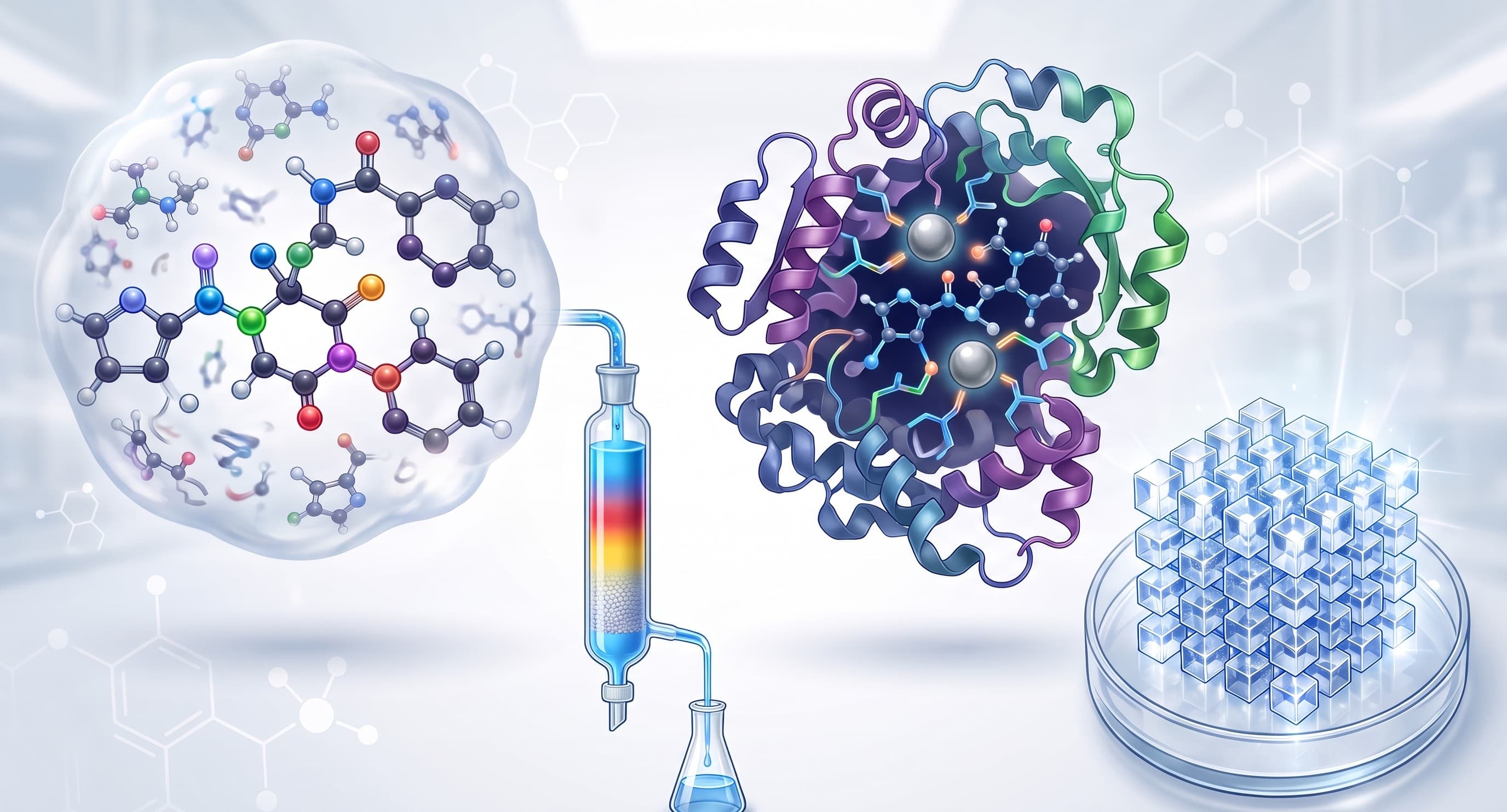
When pharmaceutical innovators discover a promising therapeutic scaffold that contains multiple chiral centers, initial synthesis frequently produces a diastereomeric or enantiomeric mixture. Historically, innovators filed foundational patents on the mixture, mapped out clinical efficacy, and then sought a second, extended monopoly by obtaining a subsequent patent claiming the single, isolated active stereoisomer free of other isomers. In Aventis Pharma Deutschland GmbH v. Lupin, Ltd., the Federal Circuit struck down this evergreen strategy, applying the Supreme Court's KSR obviousness doctrine to chemical stereoisomerism and handing a monumental Hatch-Waxman victory to Indian generic manufacturer Lupin.
The controversy centered on ramipril, an orally active nonsulfhydryl angiotensin-converting enzyme (ACE) inhibitor developed to treat hypertension and congestive heart failure. Structurally, ramipril is (2S,3aS,6aS)-1-[(2S)-2-[[(2S)-1-ethoxy-1-oxo-4-phenylbutan-2-yl]amino]propanoyl]octahydrocyclopenta[b]pyrrole-2-carboxylic acid. The core molecular architecture features a fused bicyclic octahydrocyclopenta[b]pyrrole ring coupled to an alanyl-homophenylalanyl dipeptide mimetic, generating five distinct asymmetric carbon centers. Because the molecule contains five stereocenters, stereochemical permutation dictates 2^5 = 32 theoretical stereoisomers. Aventis secured U.S. Patent No. 5,061,722, containing claims specifically directed to the pure 5(S) stereoisomer--the configuration where all five chiral centers reside in the (S) orientation--substantially free of other isomers.
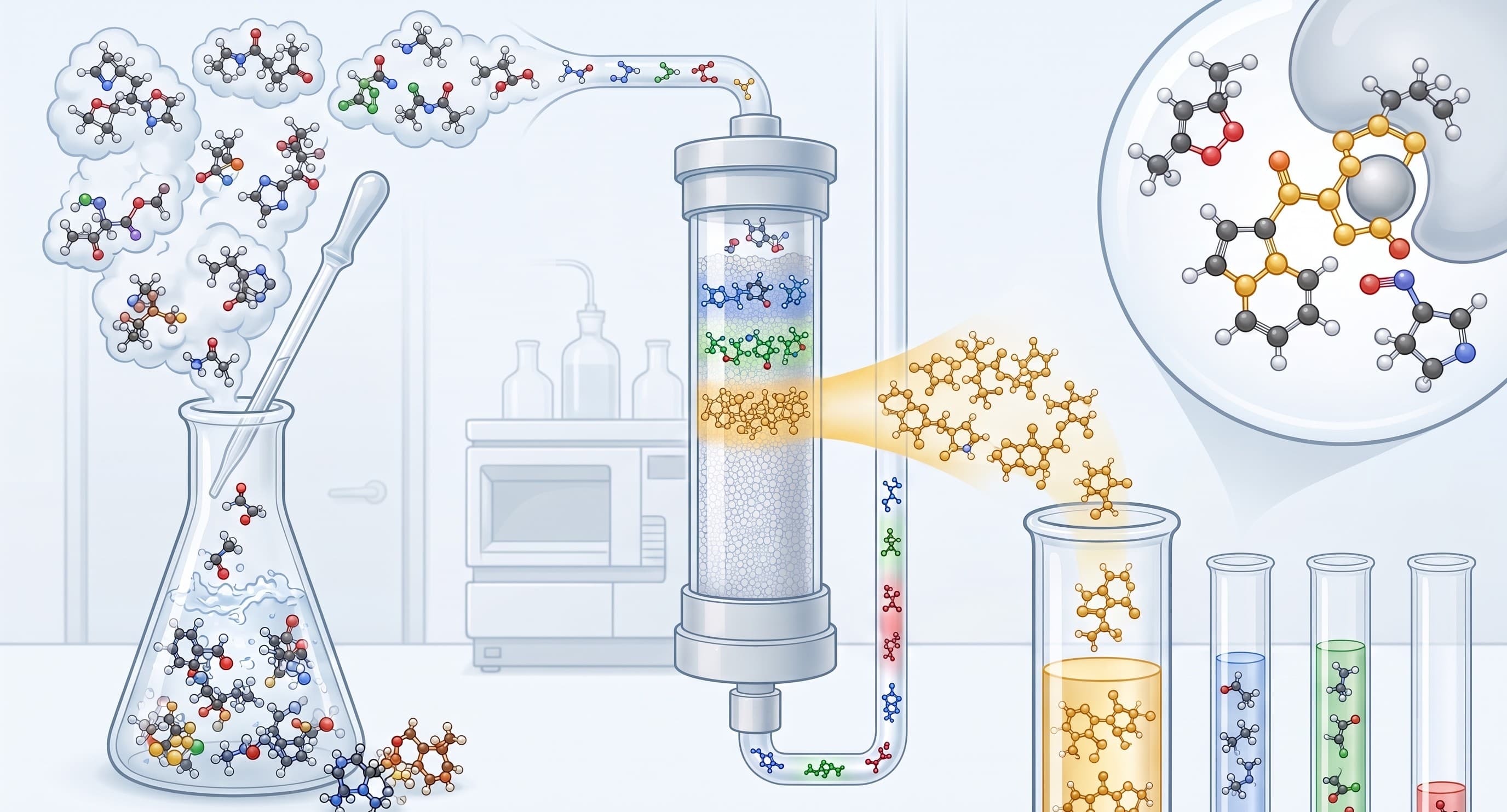
When Lupin filed an Abbreviated New Drug Application with a Paragraph IV certification to market generic ramipril capsules, Aventis and its licensee King Pharmaceuticals filed an infringement lawsuit in the Eastern District of Virginia. Lupin mounted an aggressive obviousness defense under 35 U.S.C. 103, citing earlier prior art (including U.S. Patent No. 4,587,258, the 'Schwab' patent) that disclosed a mixture containing ramipril stereoisomers and taught conventional silica gel column chromatography to separate them. Crucially, foundational ACE inhibitor research, including Miguel Ondetti's pioneering work on captopril at Squibb and Arthur Patchett's discovery of enalapril at Merck, had firmly established that the zinc-metalloprotease catalytic pocket of ACE stereoselectively binds L-amino acid analogs in the all-(S) configuration. The district court nevertheless upheld the patent, ruling that because there were 32 possible stereoisomers, the prior art lacked an explicit teaching, suggestion, or motivation (TSM) to isolate the 5(S) isomer, and that 5(S) ramipril exhibited superior potency.
Writing for a unanimous Federal Circuit panel alongside Circuit Judges S. Jay Plager and William C. Bryson, Circuit Judge Alan D. Lourie reversed the district court, invalidating the patent. The appellate court held that the district court had applied an excessively rigid version of the TSM test that the Supreme Court had unequivocally repudiated in KSR International Co. v. Teleflex Inc. In chemical patent jurisprudence, when a prior art reference discloses a mixture of isomers and structure-activity relationships indicate that therapeutic activity resides primarily or exclusively in one specific stereoisomer, a person of ordinary skill in the art has a clear reason to separate that mixture to isolate the active compound. Because standard chromatographic purification techniques were well-known and routine in the pharmaceutical arts, the skilled artisan had a reasonable expectation of success in isolating the 5(S) isomer.
The Federal Circuit also firmly rejected Aventis's attempt to salvage patentability through objective indicia of non-obviousness. Aventis argued that the 5(S) isomer exhibited unexpected potency compared to other isomers and the racemic baseline. However, Judge Lourie clarified that to overcome a prima facie case of obviousness, unexpected results must be demonstrated in direct comparison to the closest prior art: the stereoisomeric mixture containing the 5(S) isomer. The superior potency of the purified 5(S) isomer was not unexpected; it was the entirely predictable consequence of concentrating the active chemical principle while eliminating inactive or weakly active isomers. By establishing that isolating an expected active stereoisomer using routine purification methods is obvious as a matter of law, Aventis v. Lupin created a formidable barrier against lifecycle evergreen patents and paved the way for immediate generic competition in the multi-billion-dollar cardiovascular market.
What we do
See if this applies to one of your matters
We run genus/species (Markush) claim coverage analysis, Section 3(d) compliance screening, and prior-art structural triage on real chemical structures: not keyword search. If a case like this one is live for you, we'll run a free sample on a compound of your choosing.