
Aventis Purified the 5(S) Stereoisomer of Ramipril. The Federal Circuit Held Isolating an Active Isomer from a Known Mixture Is Obvious.
By Prashant Kotian, PhD Researcher (Chemistry), ICT Mumbai
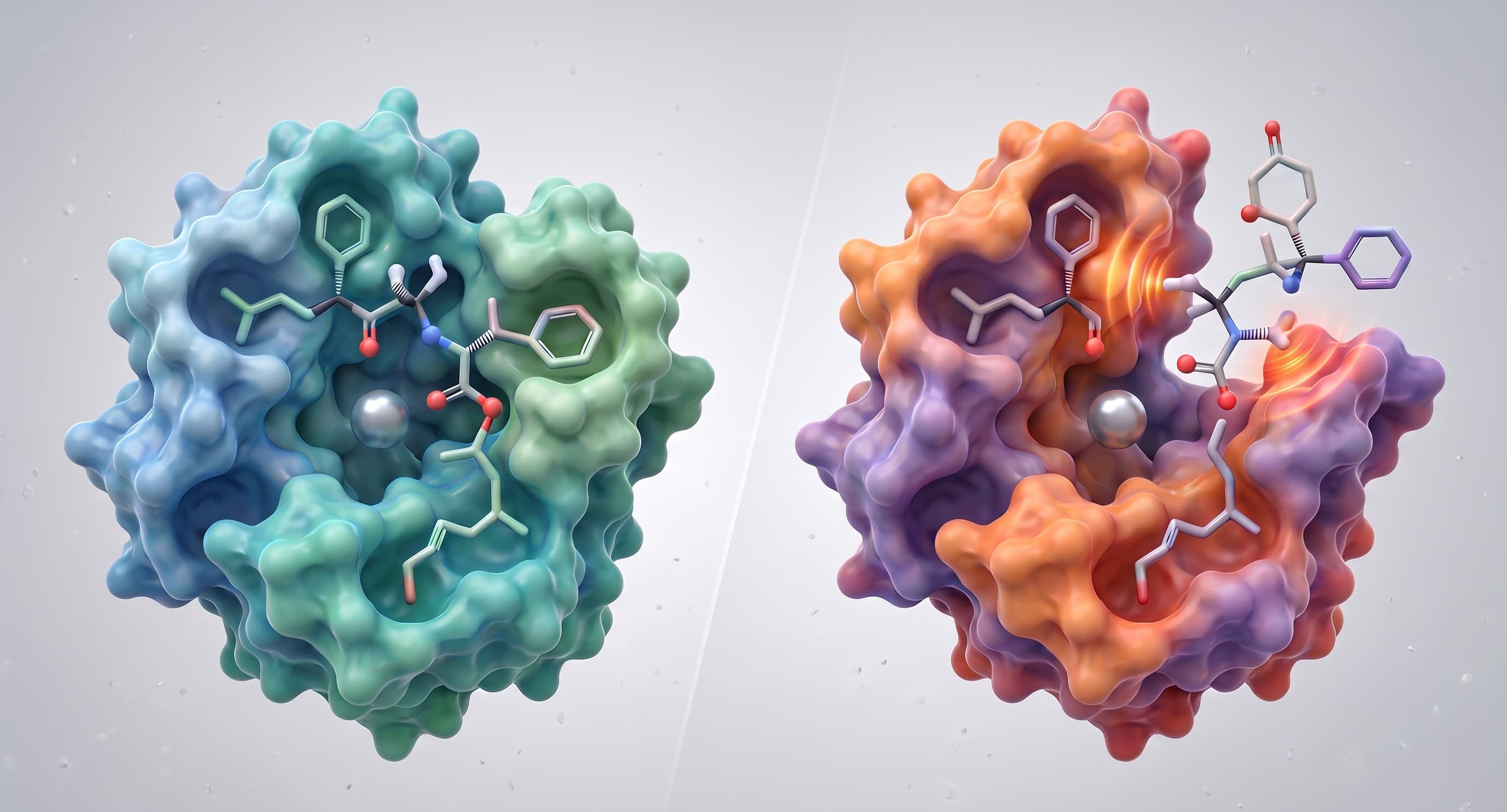
When a pharmaceutical innovator synthesizes a therapeutic candidate containing multiple chiral stereocenters as a mixture of isomers, can it later obtain patent exclusivity over the isolated, biologically active stereoisomer simply because the prior art lacked an explicit instruction to purify it?
In Aventis Pharma Deutschland GmbH v. Lupin, Ltd. (Appeal No. 2006-1530, 499 F.3d 1293, decided September 11, 2007), the U.S. Court of Appeals for the Federal Circuit answered with an unequivocal no. In a unanimous opinion authored by Circuit Judge Alan D. Lourie and joined by Circuit Judges Randall R. Rader and Arthur J. Gajarsa, the court reversed a decision of the U.S. District Court for the Eastern District of Virginia. The Federal Circuit held that claim 1 of Aventis's U.S. Patent No. 5,061,722 ('the '722 patent'), directed to the purified 5(S) stereoisomer of the blockbuster antihypertensive drug ramipril, was invalid for obviousness under 35 U.S.C. 103.
The decision stands as one of the most consequential stereochemical obviousness precedents in Hatch-Waxman jurisprudence, establishing the modern doctrine that isolating an active single enantiomer or stereoisomer from a known prior art mixture is prima facie obvious whenever the person of ordinary skill in the art had structural or pharmacological reason to expect that the desired activity resided in that specific stereocenter configuration.
### The Stereochemical Complexity of Ramipril and Enzymatic ACE Recognition
Ramipril (marketed by Aventis and King Pharmaceuticals as Altace) is an orally active dicarboxylic acid angiotensin-converting enzyme (ACE) inhibitor widely prescribed for hypertension, congestive heart failure, and post-myocardial infarction cardioprotection.
Chemically designated as (2S,3aS,6aS)-1-[N-[(S)-1-(ethoxycarbonyl)-3-phenylpropyl]-L-alanyl]octahydrocyclopenta[b]pyrrole-2-carboxylic acid, the molecular architecture of ramipril incorporates five distinct chiral carbon centers (stereocenters): 1. C2 on the fused bicyclic octahydrocyclopenta[b]pyrrole ring; 2. C3a at the bridgehead junction of the cyclopentyl and pyrrolidine rings; 3. C6a at the opposite bridgehead junction; 4. The alpha-carbon atom of the central L-alanine amino acid spacer; and 5. The alpha-carbon atom of the phenylethyl-substituted ethoxycarbonyl ester side chain.
Because the molecule contains five stereocenters, basic stereochemical principles dictate that 2^5 = 32 distinct theoretical stereoisomers (sixteen pairs of enantiomers) can exist.
Angiotensin-converting enzyme (ACE; EC 3.4.15.1) is a membrane-bound zinc metallopeptidase. In physiological cardiovascular regulation, ACE cleaves the C-terminal dipeptide (His-Leu) from the inactive decapeptide angiotensin I to generate the potent vasoconstrictor octapeptide angiotensin II, while simultaneously degrading the vasodilatory nonapeptide bradykinin.
Following oral absorption, the ethyl ester of ramipril undergoes hepatic carboxylesterase-mediated bioactivation to yield ramiprilat, the active dicarboxylic acid metabolite. At the enzymatic level, ACE inhibition depends upon strict three-dimensional spatial complementarity: - The central ionized carboxylate group of ramiprilat forms a bidentate coordination complex with the catalytic divalent zinc ion (Zn2+) situated deep within the ACE active site cleft. - The adjacent carbonyl oxygen and amide nitrogen engage in precise hydrogen-bonding networks with active-site histidine and tyrosine residues (His353, His513, and Tyr520). - The hydrophobic phenylethyl group extends into the deep, lipophilic S1 subpocket. - The methyl side chain of the L-alanyl moiety fits snugly into the shallow S1' subpocket. - The bulky, fused bicyclic octahydrocyclopenta[b]pyrrole ring anchors into the expansive hydrophobic S2' subpocket, positioning the terminal C2 carboxylic acid to form an electrostatic salt bridge with an active-site arginine residue (Arg522).
Critically, this binding geometry is strictly stereospecific. If any of the five stereocenters is inverted from the (S) to the (R) configuration, the molecule's spatial trajectory is disrupted. An inverted stereocenter rotates the hydrophobic substituents away from their corresponding lipophilic subpockets, causing severe steric clashes with the catalytic cleft walls and pulling the carboxylate moiety out of coordination distance from the catalytic zinc ion. As a result, ACE inhibitory potency collapses by multiple orders of magnitude.
### Prior Art Disclosures: The Diastereomeric Mixture in EP 0079022
Prior to filing the application that matured into the '722 patent, Aventis had already published European Patent Application 0079022 ('EP '022', corresponding to U.S. Patent No. 4,587,258). EP '022 broadly disclosed a family of potent ACE inhibitors, including the specific chemical formula of ramipril.
However, the synthetic procedures set forth in EP '022 yielded ramipril as a mixture of stereoisomers. Specifically, Example 20 of EP '022 described the synthesis of ramipril resulting in a diastereomeric mixture of the 5(S) stereoisomer (SSSSS) alongside the (RRSSS) or related diastereomeric forms. A related scientific paper by Scholkens et al. further demonstrated that this diastereomeric ramipril mixture exhibited high ACE inhibitory and blood-pressure-lowering potency in biological assays.
In the early 1980s, Aventis separated the diastereomers using conventional silica gel column chromatography and fractional crystallization, isolated the stereochemically pure 5(S) isomer, and filed a follow-on patent application claiming the purified compound. Claim 1 of the '722 patent recited:
"The compound (2S,3aS,6aS)-1-[N-[(S)-1-(ethoxycarbonyl)-3-phenylpropyl]-L-alanyl]octahydrocyclopenta[b]pyrrole-2-carboxylic acid, substantially free of other isomers."
### The Hatch-Waxman Challenge: Lupin's Obviousness Defense
When Indian generic pharmaceutical leader Lupin, Ltd. and its U.S. subsidiary Lupin Pharmaceuticals, Inc. filed an Abbreviated New Drug Application (ANDA) seeking regulatory approval to market generic ramipril capsules, Aventis sued for patent infringement under 35 U.S.C. 271(e)(2).
Lupin conceded that its proposed generic product would infringe claim 1 of the '722 patent but asserted that the claim was invalid for obviousness under 35 U.S.C. 103 in view of EP '022, Scholkens, and the well-established structural chemistry of pioneer ACE inhibitors such as captopril and enalapril.
Following a bench trial, District Judge Jerome B. Friedman ruled in favor of Aventis, holding claim 1 valid and infringed. The district court reasoned that while EP '022 disclosed a mixture containing the 5(S) isomer, Lupin had failed to demonstrate an explicit teaching, suggestion, or motivation (TSM) in the prior art that would have led a person of ordinary skill in the art to isolate the specific 5(S) stereoisomer from the mixture. The district court also accepted Aventis's argument that the 5(S) isomer possessed unexpected potency compared to the prior art mixture. Lupin appealed to the Federal Circuit.
### The Federal Circuit Holding: Purifying the Active Component Is Prima Facie Obvious
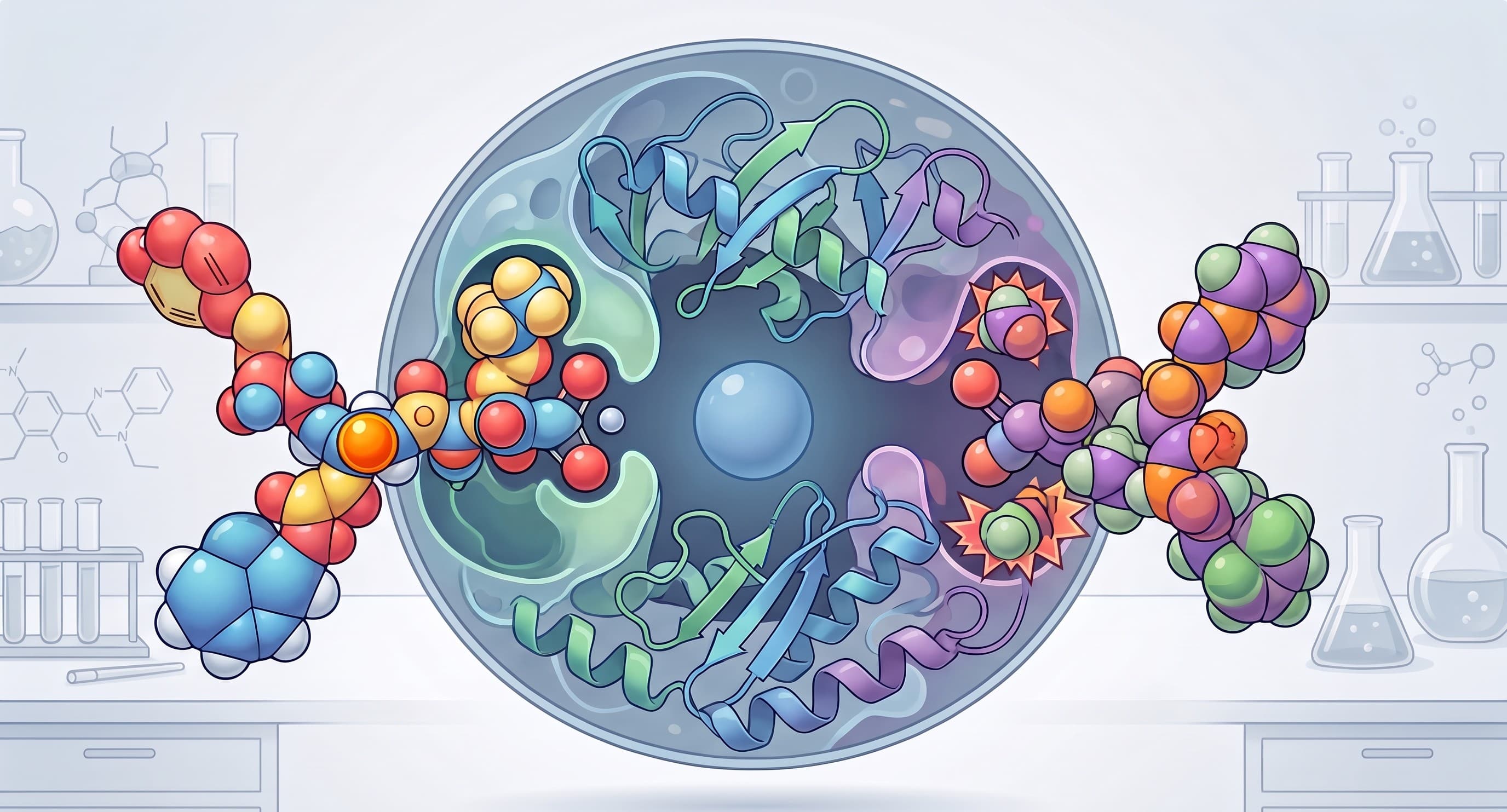
The Federal Circuit reversed the district court's validity judgment. Writing for the unanimous panel, Circuit Judge Lourie dismantled the district court's reasoning in light of both fundamental chemical principles and the Supreme Court's landmark 2007 decision in KSR International Co. v. Teleflex Inc.
First, the court firmly rejected the rigid requirement for an explicit prior art teaching to isolate the compound. Citing KSR, Judge Lourie explained that a person of ordinary skill in the art is a person of ordinary creativity, not an automaton. When evaluating chemical mixtures, the court articulated a clear, enduring standard:
"if it is known that some desirable property of a mixture derives in whole or in part from a particular one of its components, or if the prior art would provide a person of ordinary skill in the art with reason to believe that this will be so, the purified compound is prima facie obvious over the mixture even without an explicit teaching that the ingredient should be isolated."
Second, the court examined the deep biochemical knowledge surrounding ACE inhibitors existing at the priority date. The prior art was replete with evidence demonstrating that the enzymatic active site of ACE was stereoselective. Publications by Ondetti and Cushman (the discoverers of captopril) and Patchett et al. (the developers of enalapril) had conclusively demonstrated that the (S) configuration at the amino acid and proline-mimetic residues was essential for binding the catalytic zinc ion and active-site pockets: - In enalapril, the (S,S,S) isomer possessed virtually all the inhibitory activity, whereas diastereomers containing an (R) stereocenter were pharmacologically inert. - In captopril, the (S)-enantiomer was approximately 100 times more potent than the (R)-enantiomer.
Because ramipril's chemical structure directly incorporated these identical peptide-mimetic structural motifs, a medicinal chemist of ordinary skill would have immediately recognized that the therapeutic potency observed in the Scholkens mixture resided primarily, if not entirely, in the 5(S) stereoisomer. Consequently, the skilled artisan had powerful motivation to isolate the 5(S) isomer from the mixture.
Third, the court noted that standard purification techniques--specifically fractional crystallization and column chromatography--were routine in the art and fully capable of isolating the 5(S) isomer from the diastereomeric mixture disclosed in EP '022.
### The Demise of the "Unexpected Results" Defense
Aventis vigorously argued that even if a prima facie case of obviousness existed, it had rebutted that case by establishing unexpected results: the pure 5(S) isomer exhibited significantly greater ACE inhibitory activity than the prior art mixture.
The Federal Circuit decisively rejected this secondary consideration argument, exposing the mathematical and pharmacological fallacy behind Aventis's contention.
Judge Lourie explained that in a 50:50 diastereomeric mixture consisting of one active stereoisomer and one inactive stereoisomer, isolating the pure active isomer inevitably concentrates the active moiety by a factor of two. Testing revealed that the pure 5(S) isomer was roughly twice as potent as the equimolar diastereomeric mixture disclosed in EP '022:
"an increase in potency of roughly two-fold is not 'unexpected' when one of the isomers in an equimolar mixture is known to be significantly more active than the other... When a patentee claims a purified compound that is twice as active as a 50:50 mixture of that compound and an inactive isomer, the increased potency is exactly what a chemist would expect."
Because the magnitude of the increased potency was mathematically and chemically predictable based on the removal of inert isomer ballast, it could not serve as objective evidence of non-obviousness.
### Strategic Lessons for Innovator and Generic Pharmaceutical Teams
The Federal Circuit's ruling in Aventis v. Lupin carries vital operational lessons for patent practitioners, medicinal chemists, and generic ANDA litigators:
1. Prior Art Mixtures Preclude Follow-On Isomer Monopolies: Innovators cannot treat the synthesis of an isomeric mixture as a placeholder and subsequently claim the purified active enantiomer or diastereomer as an independent patentable breakthrough, unless the purification was exceptionally difficult or the isolated isomer exhibited truly unexpected, non-linear biological properties.
2. Structure-Activity Relationships Dictate Motivation to Purify: Where pioneer literature (such as SAR data from earlier homologous drug classes like enalapril or captopril) establishes that a specific chiral configuration is necessary for target receptor or enzyme binding, that knowledge supplies the legal motivation to isolate the active stereocenter configuration as a matter of law.
3. The Mathematical Boundary of Unexpected Potency: An increase in biological activity that corresponds directly to the concentration ratio of the active isomer over inactive isomers in a mixture is chemically expected. Generic defendants facing secondary patent claims on purified enantiomers should always perform stoichiometric potency comparisons to dismantle innovator assertions of unexpected results.
4. Decisive Generic Opportunities for Indian Pharma: The invalidation of claim 1 of the '722 patent cleared the regulatory runway for Lupin and other generic pharmaceutical manufacturers to introduce affordable, high-quality generic ramipril to millions of cardiovascular patients in the United States, cementing Lupin's position as a premier global generic competitor.
What we do
See if this applies to one of your matters
We run genus/species (Markush) claim coverage analysis, Section 3(d) compliance screening, and prior-art structural triage on real chemical structures: not keyword search. If a case like this one is live for you, we'll run a free sample on a compound of your choosing.