
Eagle Disclosed Ethanol but Claimed Propylene Glycol to Stabilize Bendamustine. The Federal Circuit Held Disclosed Alternatives Are Dedicated to the Public.
By Prashant Kotian, PhD Researcher (Chemistry), ICT Mumbai
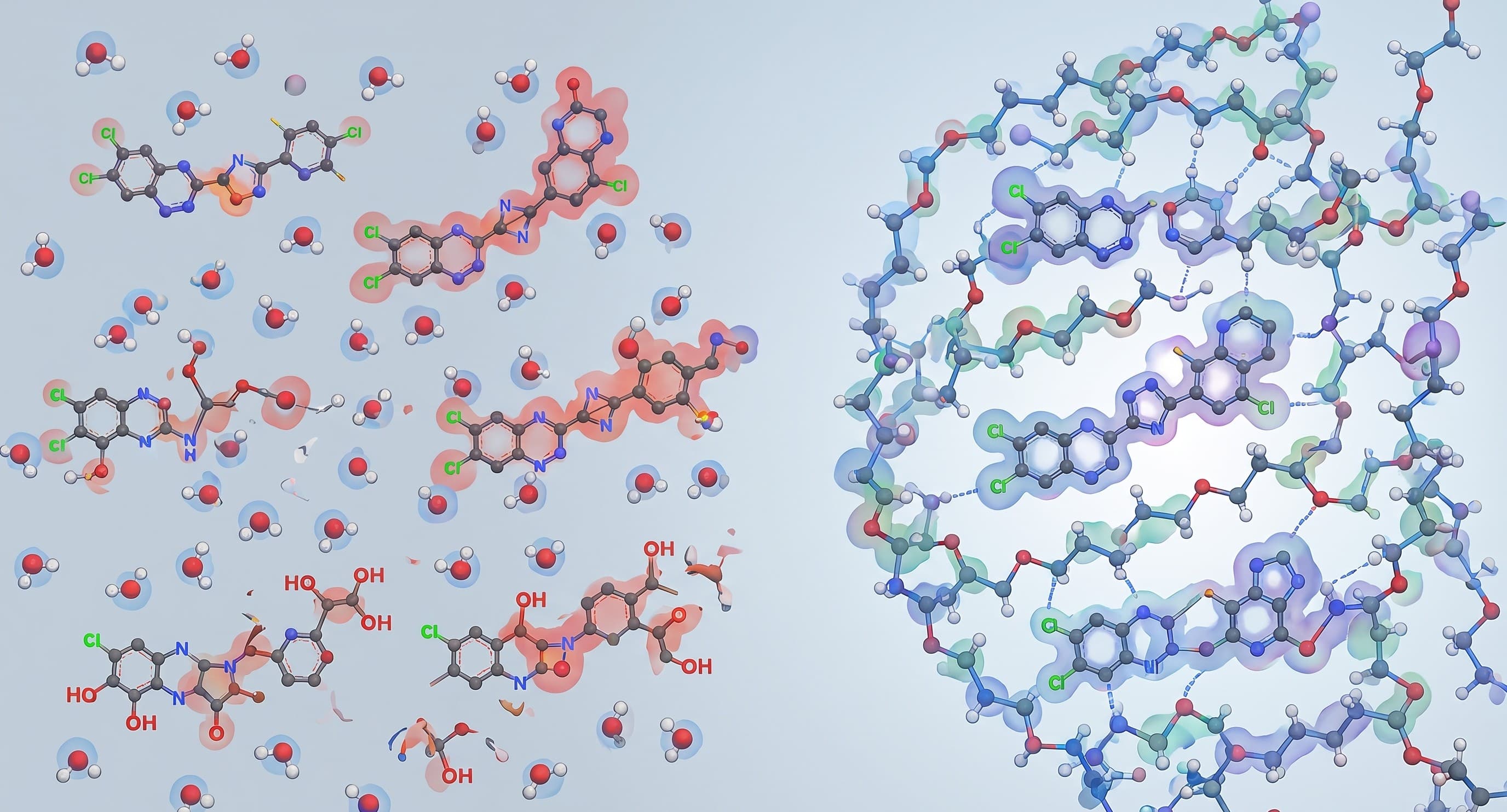
Can a pharmaceutical patentee invoke the doctrine of equivalents to cover an excipient substitution when that exact excipient was disclosed in its own specification but omitted from the claims?
In a precedential decision addressing the intersection of pharmaceutical formulation chemistry and patent claim scope, the U.S. Court of Appeals for the Federal Circuit answered with an emphatic no. In Eagle Pharmaceuticals, Inc. v. Slayback Pharma LLC (Appeal No. 2019-1924, 958 F.3d 1171, decided May 8, 2020), the Federal Circuit affirmed a judgment on the pleadings from the District of Delaware holding that Eagle dedicated ethanol to the public under the disclosure-dedication doctrine. Authored by Circuit Judge Kimberly A. Moore, the opinion established that when an innovator discloses an alternative chemical compound in its specification and fails to claim it, the patentee cannot deploy the doctrine of equivalents to recapture what it surrendered to the public domain.
The decision provided a textbook triumph for generic design-around strategy, shielding Slayback Pharma generic bendamustine ready-to-dilute liquid product from infringement liability and reaffirming that boilerplate excipient lists in innovator patents can serve as a legally sanctioned blueprint for competitors.
### The Chemical Architecture and Degradation Kinetics of Bendamustine
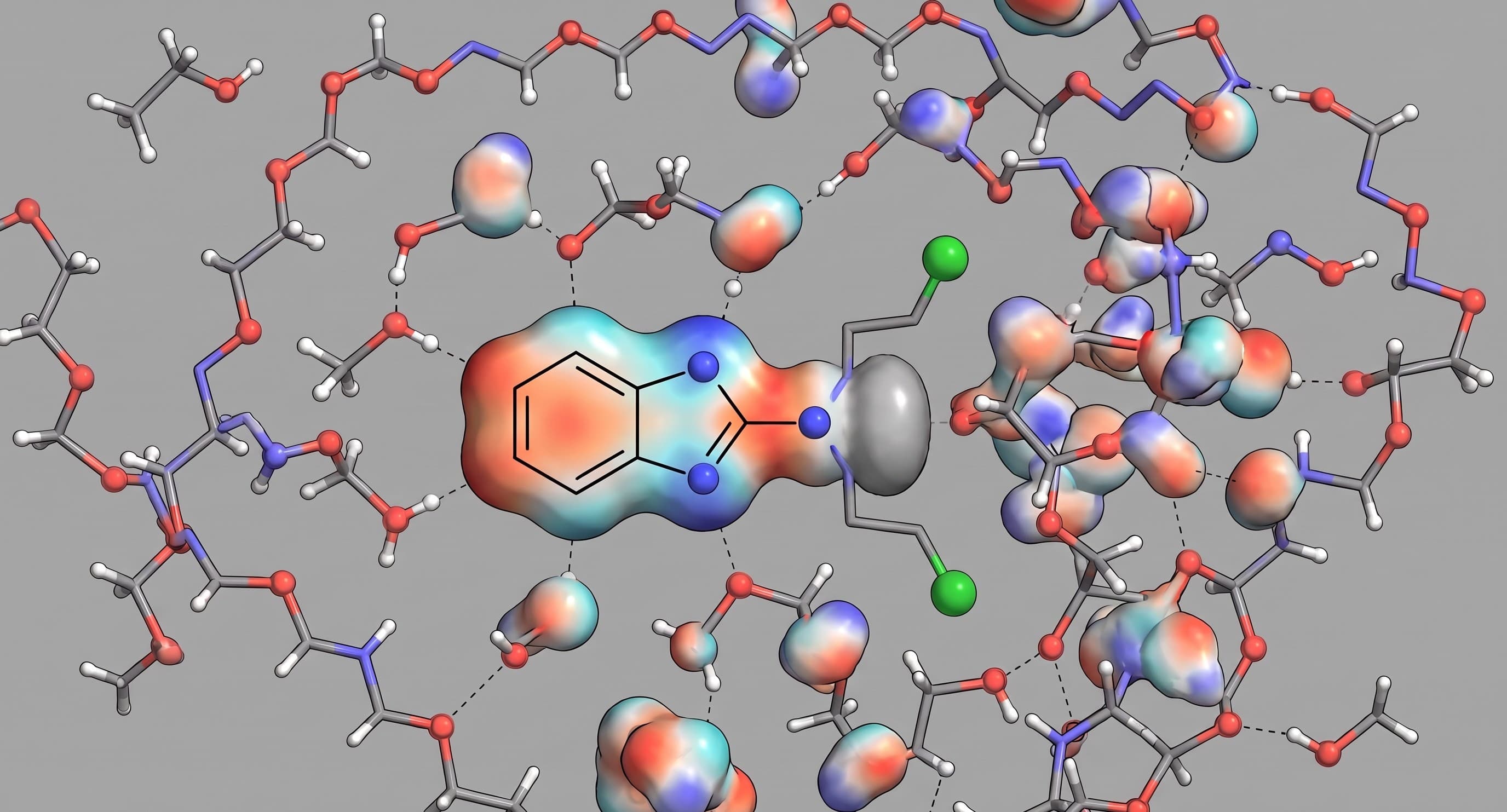
Bendamustine hydrochloride (chemically designated 4-{5-[bis(2-chloroethyl)amino]-1-methyl-2-benzimidazolyl}butyric acid hydrochloride) is an atypical bifunctional alkylating agent structurally developed in the 1960s in Jena, East Germany.
The molecule possesses a sophisticated hybrid chemical architecture featuring three distinct functional domains: 1. A 2-methylbenzimidazole heterocyclic ring system that exhibits purine-like antimetabolite properties. 2. A bis(2-chloroethyl)amino group--the classic nitrogen mustard pharmacophore responsible for covalent DNA crosslinking and apoptotic cell death in hematologic malignancies, such as chronic lymphocytic leukemia (CLL) and indolent B-cell non-Hodgkin lymphoma (NHL). 3. A butyric acid side chain providing carboxylic acid reactivity and moderate water solubility upon salt formation.
Despite its potent antitumor activity, bendamustine suffered from an acute, crippling pharmaceutical vulnerability: catastrophic hydrolytic instability in aqueous solution.
The degradation mechanism proceeds via spontaneous intramolecular cyclization: - The unshared electron pair on the tertiary nitrogen mustard atom mounts an intramolecular nucleophilic attack on the adjacent beta-carbon atom. - This nucleophilic displacement expels a chloride anion and generates a strained, highly reactive three-membered cyclic aziridinium (ethyleneimonium) cation intermediate. - In aqueous environments, water molecules act as nucleophiles, mounting an immediate ring-opening attack on the electrophilic aziridinium ring to yield monohydroxy bendamustine (known as HP1). - The remaining chloroethyl arm can undergo an identical cyclization and subsequent hydrolysis, yielding dihydroxy bendamustine (HP2).
In ambient aqueous conditions, this hydrolytic degradation occurs within hours, generating inactive degradants and toxic impurities. Consequently, legacy bendamustine (marketed as Treanda by Cephalon and Teva) could only be stabilized commercially as a lyophilized powder. For clinical administration, hospital pharmacists were required to execute an arduous, error-prone reconstitution procedure: dissolving the cake with sterile water, diluting into a 500 mL infusion bag of normal saline or 5% dextrose, and administering the solution within an extremely narrow 6- to 8-hour window via a prolonged 30- to 60-minute intravenous infusion.
### Eagle Breakthrough: Dielectric Suppression and Non-Aqueous Solvation
Eagle Pharmaceuticals revolutionized bendamustine therapy by formulating a ready-to-dilute (RTD) and ready-to-use liquid presentation (commercialized as Bendeka and Belrapzo).
Eagle formulation strategy was grounded in physical chemistry and reaction kinetics: - Complete Elimination of Water: By formulating bendamustine entirely in a non-aqueous vehicle, the nucleophile responsible for hydrolytic ring-opening was completely eliminated from the bulk solution. - Dielectric Constant Suppression: Non-aqueous organic cosolvents exhibit substantially lower dielectric constants than water (dielectric constant ~80). Lowering the dielectric constant destabilizes charge separation, increasing the activation energy required for the tertiary amine to displace the chloride ion and form the charged aziridinium cation. - Radical and Oxidative Inhibition: Incorporating an antioxidant, specifically monothioglycerol, prevented oxidative degradation of the benzimidazole core.
Eagle commercialized non-aqueous formulation (Bendeka) utilized a solvent blend of polyethylene glycol 400 (PEG 400) and propylene glycol (PG), containing approximately 90 mg/mL of bendamustine HCl. This liquid formulation achieved multi-year room-temperature chemical stability and allowed the drug to be diluted into a compact 50 mL infusion bag and administered in a rapid 10-minute infusion, drastically reducing clinic infusion chair time.
### The Patent Specification Trap: Disclosing What Was Never Claimed
Eagle protected its formulation breakthroughs across a portfolio of Orange Book-listed patents, including U.S. Patent Nos. 9,265,831; 9,572,797; 9,579,384; and 10,010,533.
However, during patent drafting, Eagle inclusion of broad, generic solvent descriptions created a fatal legal trap. In the specifications of the asserted patents, Eagle wrote:
'Examples of pharmaceutically acceptable organic solvents that may be used in the present invention include, but are not limited to, propylene glycol, polyethylene glycol, ethanol, dimethyl sulfoxide, glycofurol, etc.'
Yet, when drafting the patent claims, Eagle drafted its limitations with narrow specificity. The asserted claims recited: - A non-aqueous liquid composition comprising bendamustine, a pharmaceutically acceptable antioxidant, and a non-aqueous solvent mixture consisting of polyethylene glycol and propylene glycol. - Exemplary claims recited explicit volume ratios, such as 'about 66% v/v polyethylene glycol and about 33% v/v propylene glycol.'
Crucially, while Eagle specification repeatedly identified ethanol as an acceptable organic solvent, Eagle never pursued, claimed, or captured ethanol in any of its issued patent claims.
### Slayback Generic Design-Around and the Doctrine of Equivalents
Slayback Pharma LLC recognized the commercial vulnerability in Eagle claim architecture. Slayback developed a generic ready-to-dilute liquid bendamustine injection under Section 505(b)(2) of the FD&C Act.
To avoid literal infringement of Eagle patents, Slayback formulation substituted dehydrated ethanol for propylene glycol. Slayback formulation comprised: - Bendamustine hydrochloride - Polyethylene glycol 400 (~90% v/v) - Dehydrated alcohol (ethanol, ~10% v/v) - Monothioglycerol antioxidant
Because Slayback product contained ethanol instead of propylene glycol, Slayback did not literally infringe the asserted claims.
In response, Eagle filed an infringement suit in the U.S. District Court for the District of Delaware, asserting infringement under the Doctrine of Equivalents (DOE). Eagle argued that ethanol and propylene glycol are insubstantially different organic cosolvents performing substantially the same solvating, stabilizing, and dielectric-suppressing function, in substantially the same way, to achieve substantially the same non-aqueous stable liquid formulation.
Slayback moved for judgment on the pleadings under Federal Rule of Civil Procedure 12(c), asserting that Eagle was legally barred from asserting the doctrine of equivalents under the disclosure-dedication doctrine. District Judge Mitchell S. Goldberg agreed with Slayback and dismissed the infringement claims. Eagle appealed to the Federal Circuit.
### The Federal Circuit Precedent: Dedication as a Matter of Law
On appeal, the Federal Circuit panel--comprising Chief Judge Sharon Prost, Judge Kimberly A. Moore, and Judge Jimmie V. Reyna--unanimously affirmed Judge Goldberg judgment.
Writing for the court, Judge Kimberly A. Moore anchored the decision in the foundational en banc precedent of Johnson & Johnston Associates Inc. v. R.E. Service Co., 285 F.3d 1046 (Fed. Cir. 2002):
1. The Core Disclosure-Dedication Rule: When a patent applicant discloses subject matter in the specification as an alternative to the claimed invention, but chooses not to claim that subject matter, the unclaimed subject matter is dedicated to the public as a matter of law. Once dedicated, the patentee cannot invoke the doctrine of equivalents to recapture that subject matter in litigation.
2. Rejection of the Generic List Defense: Eagle argued that ethanol was not dedicated because it was merely mentioned within an open-ended, boilerplate list of solvents ('include, but are not limited to...'), rather than as an explicit, freestanding embodiment. Judge Moore flatly rejected this argument: 'The disclosure-dedication doctrine does not require the specification to disclose the unclaimed subject matter in a particular manner or with a particular level of detail. It requires only that the specification identify the unclaimed subject matter with sufficient particularity that a person of ordinary skill in the art can recognize the alternative.' Because ethanol was specifically named as an alternative organic solvent, a POSA reading the specification would recognize that ethanol could be used in place of propylene glycol.
3. Rejection of the Patentability Standard: Eagle contended that dedication should require showing that the unclaimed alternative was fully enabled and patentable. The court rejected this heightened hurdle, clarifying that dedication does not require the disclosed alternative to be patentable or enabled to the level of an independent patent claim; identifying the chemical species as an alternative solvent is entirely sufficient.
4. Objective Notice and Public Reliance: Judge Moore emphasized the fundamental public-notice function of patent claims: 'The public notice function of patent claims would be undermined if a patentee could disclose alternatives in the specification, choose not to claim them, and later assert that those very alternatives infringe under the doctrine of equivalents.'
Because Eagle specification identified ethanol as an alternative solvent but Eagle claimed only propylene glycol, ethanol was dedicated to the public upon patent issuance. Slayback use of ethanol was non-infringing as a matter of law.
### Impact on Indian Generic Manufacturers and Formulation Design-Around Strategy
The Federal Circuit ruling in Eagle v. Slayback holds immense strategic significance for pharmaceutical patent counsel, formulation chemists, and generic developers worldwide:
1. The Danger of Boilerplate Excipient Lists: Patent practitioners frequently include extensive 'kitchen sink' lists of solvents, surfactants, and stabilizers in patent specifications to provide broad descriptive support for future amendments. Eagle demonstrates that this drafting habit carries catastrophic risks: if the patent issues without claims capturing those listed alternatives, every unclaimed excipient is permanently dedicated to the public, extinguishing doctrine of equivalents protection.
2. Clear Blueprint for Generic Design-Arounds: For generic formulation teams--including India leading injectable developers such as Natco Pharma, Dr. Reddy Laboratories, Sun Pharma, Cipla, and Lupin--the disclosure-dedication doctrine offers an invaluable design-around roadmap. By methodically auditing the innovator specification against its granted claim language, generic chemists can identify high-value excipients and solvents that the patentee disclosed but failed to claim, enabling non-infringing product development with zero doctrine-of-equivalents risk.
3. Rigorous Claim Portfolio Management for Innovators: For brand pharmaceutical developers, avoiding the dedication trap requires proactive patent lifecycle management. If alternative excipients or cosolvents are disclosed in a priority specification, the applicant must file and maintain continuation applications with claims directed to those specific species before the parent patent issues, preventing dedication to the public domain.
What we do
See if this applies to one of your matters
We run genus/species (Markush) claim coverage analysis, Section 3(d) compliance screening, and prior-art structural triage on real chemical structures: not keyword search. If a case like this one is live for you, we'll run a free sample on a compound of your choosing.