
Enanta's "Typo" Cost Them Priority on Paxlovid. The Federal Circuit Held Provisional Specifications Must Strictly Support Claimed Alkyl Chain Lengths.
By Prashant Kotian, PhD Researcher (Chemistry), ICT Mumbai
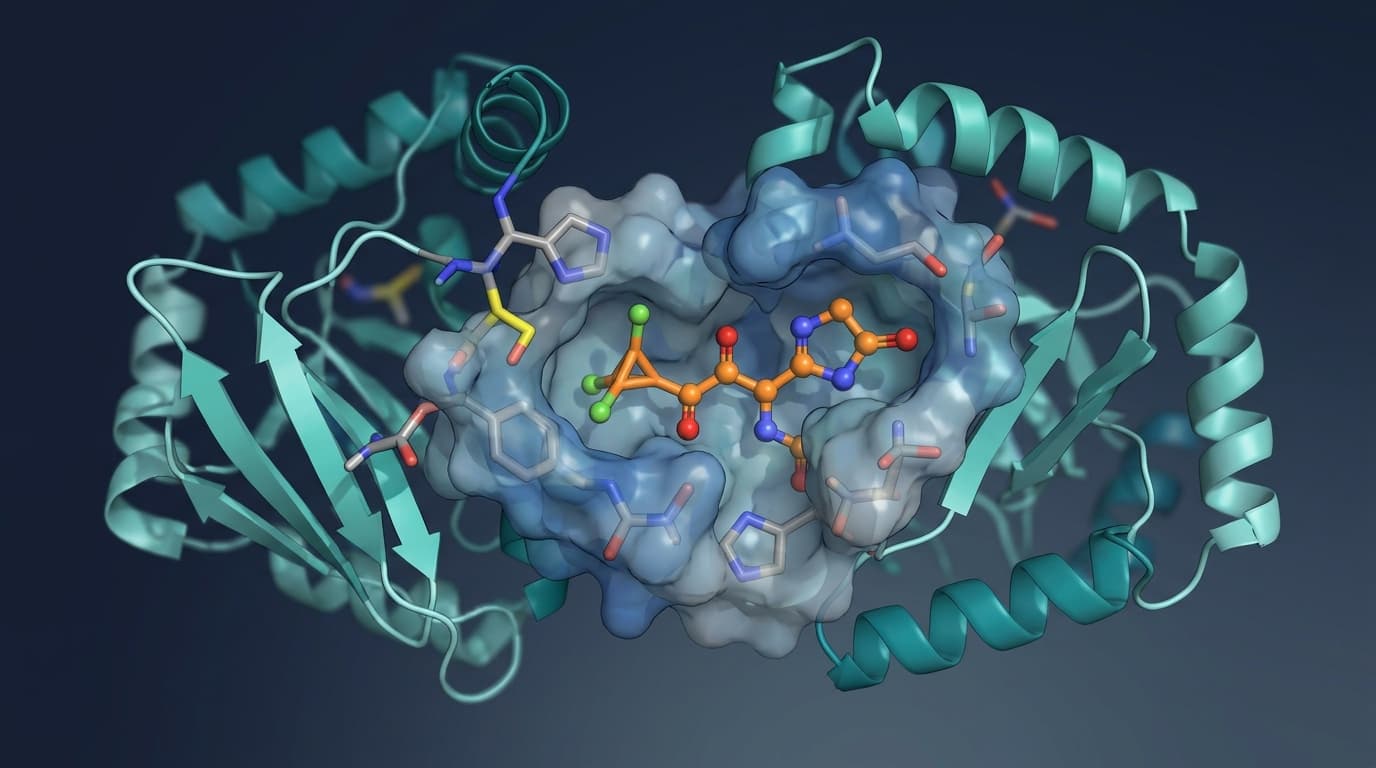
In the high-stakes race to develop a SARS-CoV-2 main protease (Mpro) inhibitor, a single carbon atom defined the priority date.
Nirmatrelvir (the active antiviral in Pfizer's Paxlovid) is a potent, peptidomimetic covalent inhibitor of the Mpro (3CLpro) enzyme. Enanta Pharmaceuticals developed a competing pipeline of Mpro inhibitors and filed a provisional patent application in July 2020. However, in describing the critical chemical substituents, Enanta's provisional specification recited a "C2-C12 alkyl" group.
In April 2021, Pfizer publicly disclosed the structure of nirmatrelvir--which features a critical "C1" moiety at the relevant position. Enanta subsequently amended its claims in the issued U.S. Patent No. 11,358,953 to cover the C1 species, arguing that the "C2-C12" recitation in the provisional was an obvious typographical error for "C1-C12."
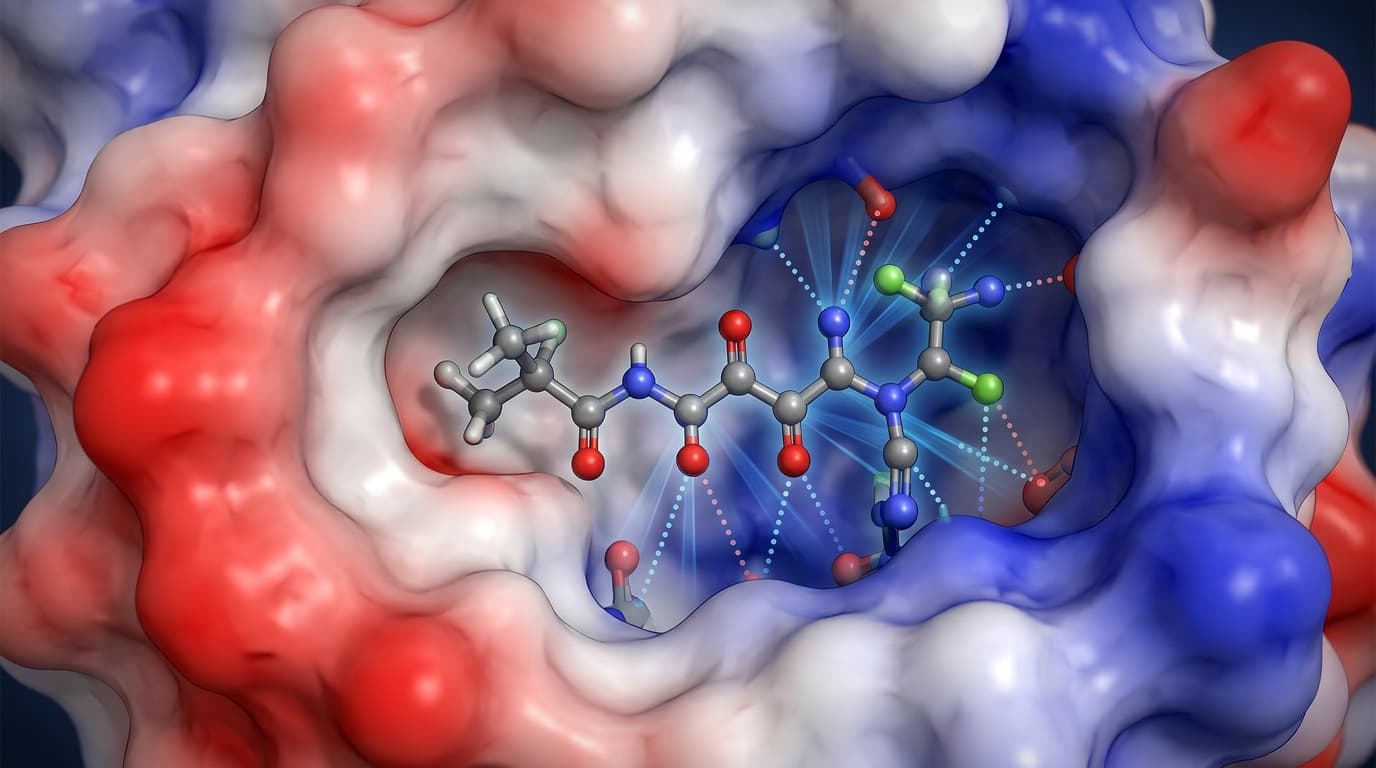
The Federal Circuit affirmed the district court's summary judgment of invalidity, strictly applying the written description requirement under 35 U.S.C. 112. The court held that the written description inquiry must rely on the four corners of the provisional specification as filed. Because the provisional explicitly excluded C1 (by specifying C2-C12), it failed to demonstrate possession of the C1 species.
Consequently, the '953 patent was denied the July 2020 priority date. This demotion allowed Pfizer's April 2021 public disclosure of nirmatrelvir to serve as anticipating prior art, invalidating Enanta's patent and clearing the legal overhang on the blockbuster COVID-19 antiviral.
Takeaway: In pharmaceutical patent prosecution, the exact boundaries of Markush groups and alkyl chain length ranges in provisional applications are unforgiving. A "typographical error" cannot retroactively confer possession of a chemical species that was explicitly excluded from the original disclosure.
What we do
See if this applies to one of your matters
We run genus/species (Markush) claim coverage analysis, Section 3(d) compliance screening, and prior-art structural triage on real chemical structures: not keyword search. If a case like this one is live for you, we'll run a free sample on a compound of your choosing.