
Novo Nordisk Sued on Semaglutide. The Delhi High Court Allowed Dr. Reddy to Export.
By Prashant Kotian, PhD Researcher (Chemistry), ICT Mumbai
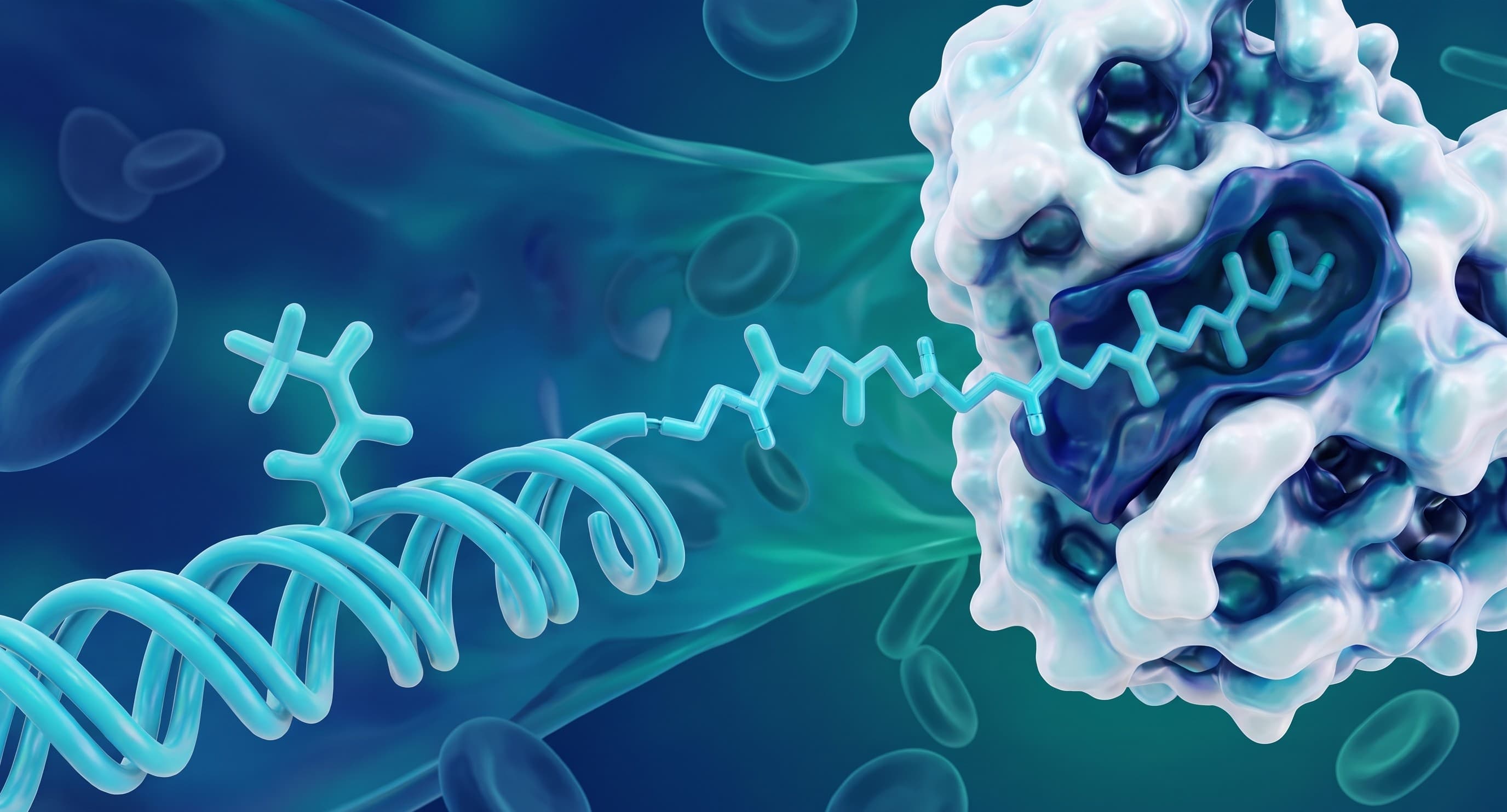
Can a pharmaceutical innovator obtain an interim injunction in India to block a domestic generic manufacturer from exporting a blockbuster peptide drug to non-infringing foreign markets when the generic filer mounts a credible challenge to a secondary species patent?
In a significant pharmaceutical patent ruling, the High Court of Delhi provided a definitive answer. In Novo Nordisk A/S & Anr. v. Dr. Reddy's Laboratories Limited & Anr. (CS(COMM) 565/2025, decided December 2, 2025), Justice Manmeet Pritam Singh Arora dismissed Novo Nordisk's application for an interim injunction seeking to restrain Dr. Reddy's Laboratories and OneSource Specialty Pharma from manufacturing and exporting semaglutide.
While the court maintained the defendants' voluntary undertaking to refrain from commercial sales inside India until statutory patent expiration on March 20, 2026, it firmly permitted them to manufacture semaglutide in India and export it to foreign jurisdictions where Novo Nordisk holds no patent protection. In doing so, the Delhi High Court reaffirmed core principles governing pharmaceutical genus-species patents, Section 3(d) efficacy hurdles, and the vital economic balance between patent exclusivity and export manufacturing.
### The Peptide Engineering Chemistry of GLP-1 and Semaglutide
Semaglutide--the active pharmaceutical ingredient powering blockbuster GLP-1 therapies Ozempic, Wegovy, and Rybelsus--is widely recognized as one of the most commercially valuable peptide drugs in pharmaceutical history. However, its development required solving complex molecular biophysics and pharmacokinetic degradation mechanisms.
Endogenous human glucagon-like peptide-1 (GLP-1) is a 30- or 31-amino acid incretin peptide hormone secreted by intestinal L-cells in response to nutrient ingestion. GLP-1 stimulates glucose-dependent insulin secretion, suppresses glucagon release, and slows gastric emptying. Yet native GLP-1 is clinically unusable as an injected drug because its systemic elimination half-life is merely 1.5 to 2 minutes.
This rapid elimination is driven by two distinct biochemical clearance mechanisms: 1. Enzymatic Degradation: Dipeptidyl peptidase-4 (DPP-4), an omnipresent circulating and endothelial serine protease, cleaves the N-terminal dipeptide (His7-Ala8) from native GLP-1(7-36)amide, yielding the inactive metabolite GLP-1(9-36)amide. 2. Renal Glomerular Filtration: Due to its small molecular mass (~3.3 kDa), native GLP-1 is rapidly filtered and cleared through renal glomeruli.
To convert this short-lived peptide into a once-weekly therapeutic, Novo Nordisk synthesized semaglutide through two rational structural modifications:
First, at position 8, alanine (Ala8) is replaced with the non-proteogenic synthetic amino acid 2-aminoisobutyric acid (Aib / 2-methylalanine / alpha-aminoisobutyric acid). The gem-dimethyl substitution at the alpha-carbon introduces localized steric hindrance directly around the scissile peptide bond between positions 8 and 9. This steric shielding blocks DPP-4 from accessing its catalytic serine triad, rendering semaglutide resistant to DPP-4 cleavage while fully preserving high-affinity activation of the GLP-1 receptor.
Second, at position 26, the epsilon-amino group of lysine (Lys26) is acylated with a hydrophilic linker and a long-chain fatty acid. The spacer consists of two 8-amino-3,6-dioxaoctanoic acid (AEEA) ethylene glycol-like units coupled to a gamma-glutamic acid (gamma-Glu) linker. This spacer terminates in a C18 dicarboxylic fatty acid: octadecanedioic acid (17-carboxyheptadecanoyl).
The terminal carboxylate (-COOH) of this C18 diacid promotes high-affinity, reversible, non-covalent binding to circulating human serum albumin. Because albumin is a massive plasma protein (~66.5 kDa) with an exceptionally long physiological circulation time, albumin binding effectively shields semaglutide from renal glomerular filtration. As free semaglutide slowly dissociates from albumin in equilibrium, it provides sustained therapeutic receptor activation, extending the human terminal elimination half-life to approximately 165 hours (approximately one week).
### The Indian Patent Thicket: Genus vs. Species Collision
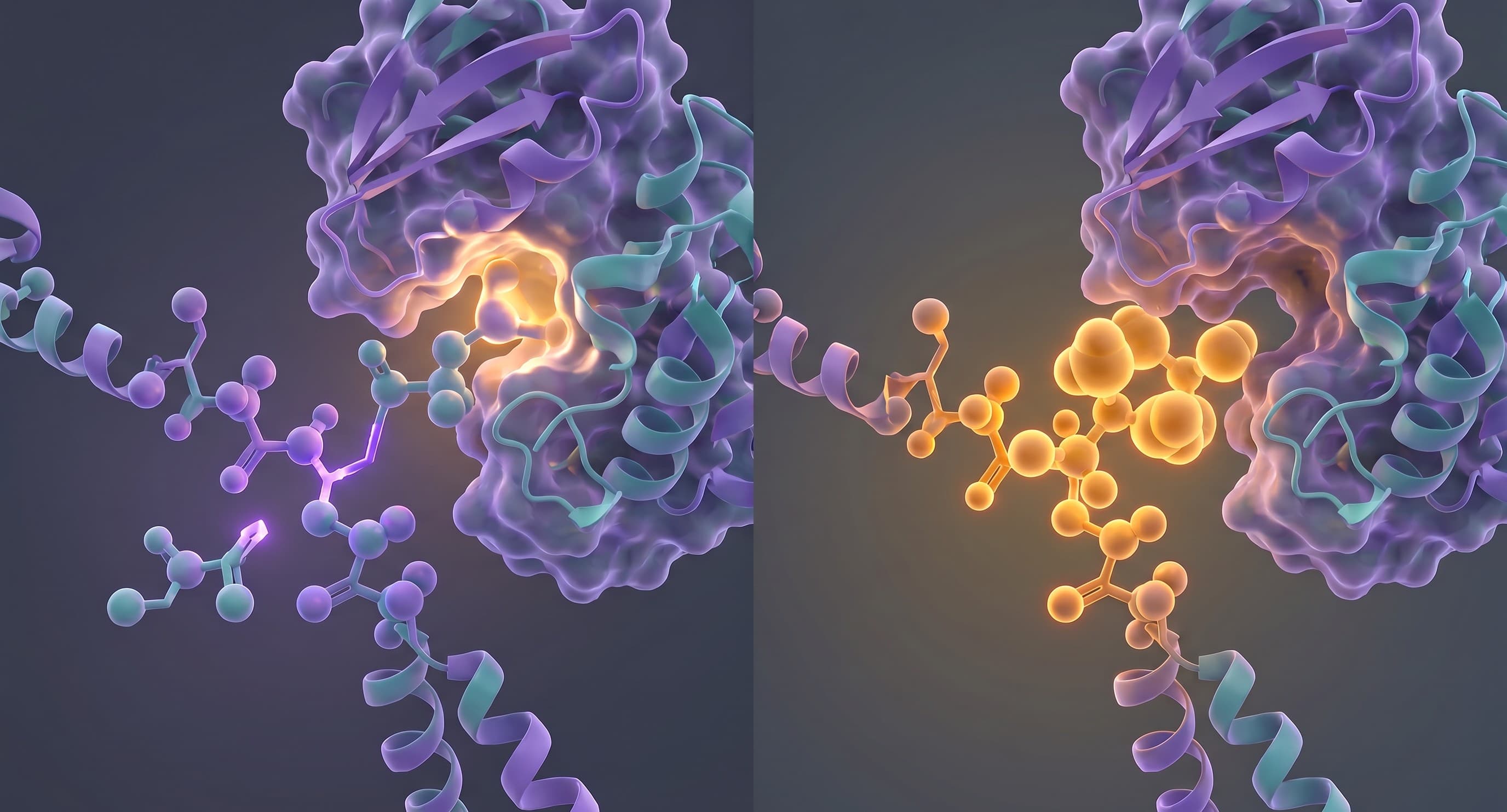
Novo Nordisk built a global patent estate around its GLP-1 franchise. In India, however, that estate encountered the rigorous structural doctrines of the Indian Patents Act, 1970.
Novo Nordisk asserted Indian Patent No. 262697 (IN'697), titled "Acylated GLP-1 Analogs Comprising Non-Proteogenic Amino Acid Residue." Granted on September 5, 2014, with a statutory priority date leading to an expiration date of March 20, 2026, IN'697 specifically claims semaglutide as a distinct molecular species.
When Dr. Reddy's Laboratories, partnered with contract development and manufacturing organization OneSource Specialty Pharma, initiated commercial-scale peptide manufacturing in India, Novo Nordisk filed suit in the Delhi High Court seeking an ex-parte interim injunction to halt all manufacturing and export.
In defense, Dr. Reddy's mounted a comprehensive validity attack grounded in Novo Nordisk's earlier patent filings: 1. The Earlier Genus Patent: Novo Nordisk held an earlier granted Indian patent, IN 275964 (IN'964), titled "Novel GLP-1 Derivatives." IN'964 claimed a broad genus of acylated GLP-1 peptides with diverse amino acid substitutions and fatty acid chains. 2. Prior Claiming and Anticipation: Under Section 64(1)(a) and Section 64(1)(e) of the Indian Patents Act, Dr. Reddy's demonstrated that semaglutide fell squarely within the Markush formula and broad claims of the earlier genus patent IN'964. Under Indian law, an applicant cannot claim the same compound across consecutive patents to extend market exclusivity. 3. Lack of Inventive Step (Section 64(1)(f)): Dr. Reddy's argued that a person skilled in peptide chemistry, armed with the teachings of IN'964 and prior art regarding Aib substitutions, would find it obvious to combine position-8 Aib stabilization with C18 diacid acylation at Lys26. 4. Section 3(d) Non-Patentability: Dr. Reddy's invoked India's signature anti-evergreening statute, Section 3(d). Under Section 3(d), a mere derivative of a known substance is non-patentable unless the patentee proves a significant enhancement of therapeutic efficacy. Dr. Reddy's argued that semaglutide is a derivative of the acylated peptides disclosed in IN'964, and Novo Nordisk failed to present comparative clinical or pharmacological data proving superior therapeutic efficacy over the known genus compounds in the specification of IN'697. 5. The Gillette Defense: Dr. Reddy's raised the classic Gillette defense, asserting that its generic manufacturing process practiced subject matter that was either fully disclosed in the prior art or obvious in light of it. If the asserted claims of IN'697 were read broadly enough to encompass Dr. Reddy's product, those claims were invalid over the prior art genus; if construed narrowly, Dr. Reddy's did not infringe.
### The Delhi High Court Holding: Credible Challenge and Export Freedom
Evaluating the three classic prerequisites for an interim injunction--a prima facie case, balance of convenience, and irreparable injury--Justice Manmeet Pritam Singh Arora declined to enjoin Dr. Reddy's and OneSource from manufacturing for export.
Under Indian patent jurisprudence, established by the Supreme Court of India in Novartis AG v. Union of India (2013) and reinforced by the Delhi High Court Division Bench in AstraZeneca AB v. Intas Pharmaceuticals Ltd. (2021), a patentee cannot assert that a molecule is encompassed within a genus patent for infringement purposes while simultaneously claiming it was not disclosed for novelty and priority purposes.
The Court held that Dr. Reddy's had established a "credible challenge" to the validity of IN'697: "The defendants have raised substantial and credible questions regarding prior claiming under Section 64(1)(a), lack of inventive step under Section 64(1)(f), and the applicability of Section 3(d) of the Patents Act, 1970. Where a defendant establishes a credible challenge to the patent's validity, an interim injunction is generally refused."
Critically, the Court separated domestic commercialization from foreign export: - Domestic Indian Market: The defendants had voluntarily given an undertaking not to commercially launch or distribute semaglutide within the Indian territory prior to the expiration of IN'697 on March 20, 2026. The Court bound the defendants to this undertaking. - Export to Foreign Jurisdictions: Novo Nordisk argued that manufacturing in India constituted an act of infringement under Section 48 regardless of the final destination of the goods. Justice Arora rejected this attempt to shut down export manufacturing. The Court observed that in countries where Novo Nordisk had no patent protection, or where patents had lapsed or been invalidated, Dr. Reddy's had a legitimate commercial right to compete. Enjoining export manufacturing would inflict irreparable financial and strategic harm on Indian generic manufacturers without providing any legitimate patent protection benefit to Novo Nordisk in jurisdictions where it possessed no patent rights.
To balance the equities, the Court permitted Dr. Reddy's and OneSource to continue manufacturing and exporting semaglutide, subject to maintaining complete, audited accounts of all quantities manufactured and exported, and filing periodic affidavits before the Court.
### Strategic Implications for Generic Developers and Peptide Innovators
The Delhi High Court's ruling in Novo Nordisk v. Dr. Reddy's delivers four critical lessons for the global pharmaceutical industry:
1. Genus Patents Carry Unavoidable Invalidation Risk for Progeny Species: Innovators who file expansive genus applications claiming vast chemical or peptide spaces risk invalidating their own later species filings under Indian law. Once a Markush genus covers a class of compounds, securing a valid species patent requires rigorous, contemporaneous comparative data demonstrating enhanced therapeutic efficacy under Section 3(d). 2. India as an Export Hub for Generic Peptides: The decision provides substantial legal certainty for Indian pharmaceutical manufacturers investing heavily in complex peptide synthesis and sterile fill-finish infrastructure. Courts will not allow patent litigation over near-expiry domestic patents to paralyze global generic supply chains into non-patent territories. 3. The Evidentiary Weight of Section 3(d) in Peptide Modifications: Peptide modifications--such as non-natural amino acid substitutions, PEGylation, or fatty acid acylation--are treated as structural derivatives of known peptide hormones under Section 3(d). Innovators must build comparative pharmacodynamic data into the original specification rather than relying on generalized stability or half-life improvements. 4. Scale-Up of Solid-Phase Peptide Synthesis (SPPS): The commercial readiness of Dr. Reddy's and OneSource demonstrates that Indian generic developers have mastered large-scale, high-purity solid-phase peptide synthesis and recombinant expression for complex 31-mer acylated peptides. As the March 20, 2026 patent expiry milestone approaches, the battleground shifts from courtroom injunctions to manufacturing scale and global market entry.
What we do
See if this applies to one of your matters
We run genus/species (Markush) claim coverage analysis, Section 3(d) compliance screening, and prior-art structural triage on real chemical structures: not keyword search. If a case like this one is live for you, we'll run a free sample on a compound of your choosing.