
Schering Patented Claritin's Active Metabolite. The Federal Circuit Held Inevitable In Vivo Cleavage Inherently Anticipated the Compound.
By Prashant Kotian, PhD Researcher (Chemistry), ICT Mumbai
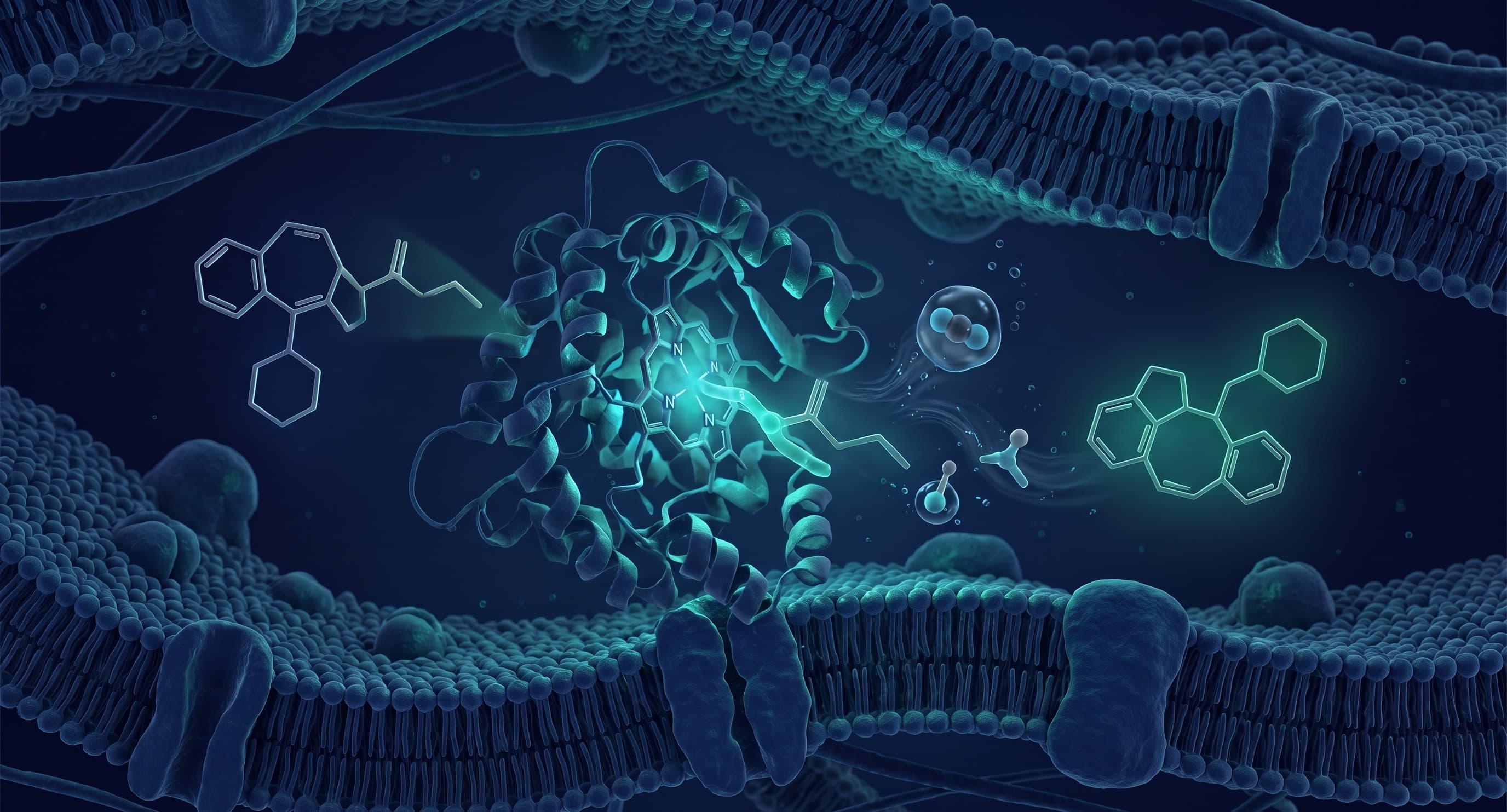
When blockbuster pharmaceuticals approach the end of their statutory exclusivity, lifecycle management strategies often turn toward human metabolism. For years, medicinal chemistry programs sought to extend market exclusivity by identifying the primary active metabolites generated after patient ingestion and patenting those newly isolated molecules as standalone chemical entities. In Schering Corp. v. Geneva Pharmaceuticals, Inc., the Federal Circuit dismantled this evergreen playbook, issuing a foundational ruling on inherent anticipation that fundamentally reshaped pharmaceutical patenting and generic market entry.
The dispute centered on loratadine, the active ingredient in Schering's blockbuster non-sedating antihistamine Claritin, protected under U.S. Patent No. 4,282,233. Structurally, loratadine features an ethyl carbamate appended to a tricyclic piperidylidene scaffold. Upon oral administration, hepatic cytochrome P450 enzymes, predominantly CYP3A4 and CYP2D6, rapidly catalyze oxidative cleavage of the ethyl carbamate sidechain, eliminating ethanol and carbon dioxide to yield the secondary amine descarboethoxyloratadine, commonly known as DCL or desloratadine. While DCL provides the overwhelming share of in vivo antihistaminic potency, Schering later obtained a follow-on patent, U.S. Patent No. 4,659,716, containing broad compound claims covering DCL per se.
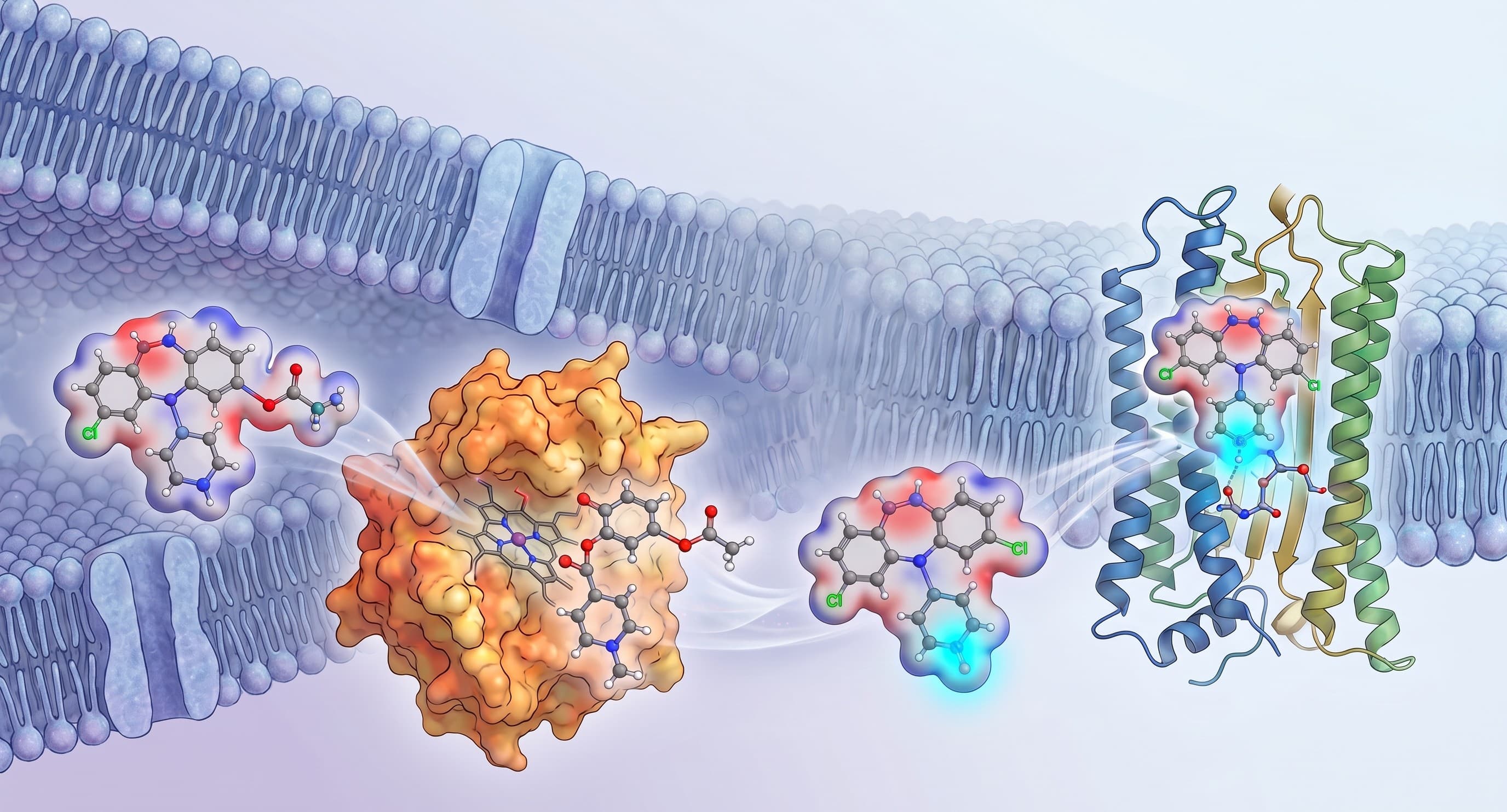
As the foundational loratadine patent neared its statutory expiration, generic pharmaceutical manufacturers, including Geneva Pharmaceuticals, Teva Pharmaceuticals USA, Mylan Pharmaceuticals, and Impax Laboratories, filed Abbreviated New Drug Applications to market generic loratadine. Schering promptly sued the generic filers for patent infringement, deploying an audacious legal theory: because human patients ingesting generic loratadine would inevitably metabolize the drug into DCL in their digestive tracts and bloodstreams, generic marketing would induce systemic infringement of the newly issued DCL compound claims.
Writing for a unanimous panel that included Chief Judge Haldane Robert Mayer and Circuit Judge Alvin A. Schall, Circuit Judge Randall R. Rader affirmed summary judgment of invalidity, holding Claim 1 of the DCL patent inherently anticipated under 35 U.S.C. 102. The Federal Circuit rejected Schering's central defense that inherent anticipation requires contemporaneous recognition by skilled artisans. Inherent anticipation does not depend on whether chemists in the prior art era identified, named, or isolated the metabolite. Because the prior art '233 patent taught the oral administration of loratadine to human patients, and that administration inevitably and necessarily produced DCL in the human body as an inherent biological consequence, DCL was already in the public domain.
The court emphasized that granting a compound patent on a metabolite whose formation is the inescapable natural result of practicing an expired patent would improperly extend the innovator's statutory monopoly. If allowed, patients and generic manufacturers could never freely practice an expired pharmaceutical patent without risking patent liability. While the Federal Circuit clarified that inventors could still seek narrower patent claims directed to isolated pharmaceutical formulations, novel synthetic manufacturing routes, or specific new medical treatments utilizing the purified metabolite, such as Schering's subsequent prescription launch of Clarinex, the bare chemical entity itself cannot be recaptured. For generic developers and chemical patent counsel, Schering v. Geneva remains the definitive benchmark governing the boundaries between in vivo drug biotransformation and compound patentability.
What we do
See if this applies to one of your matters
We run genus/species (Markush) claim coverage analysis, Section 3(d) compliance screening, and prior-art structural triage on real chemical structures: not keyword search. If a case like this one is live for you, we'll run a free sample on a compound of your choosing.