
Sun Pharma Acquired Deuterated Ruxolitinib. The Federal Circuit Held Replacing Hydrogen with Deuterium is Obvious When Metabolic Hotspots are Known.
By Prashant Kotian, PhD Researcher (Chemistry), ICT Mumbai
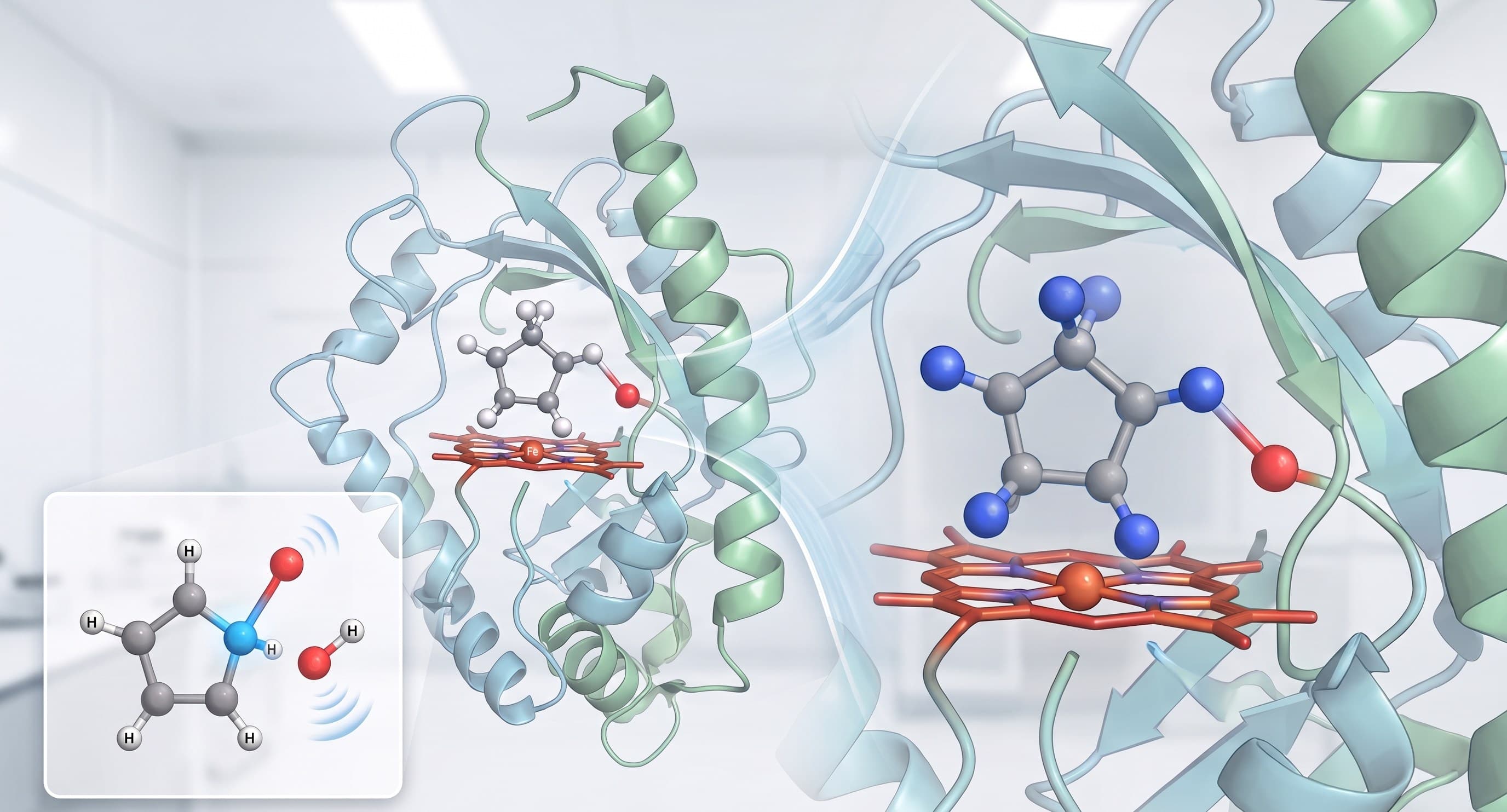
Ruxolitinib is a potent JAK1/JAK2 inhibitor developed by Incyte Corporation for the treatment of myelofibrosis, polycythemia vera, and graft-versus-host disease. Like many lipophilic small molecules, its in vivo pharmacokinetic profile is heavily governed by hepatic cytochrome P450-mediated oxidative metabolism. Specifically, CYP3A4 mounts an electrophilic oxygen insertion attack on the aliphatic cyclopentyl ring of ruxolitinib, leading to rapid systemic clearance and necessitating frequent dosing regimens.

To circumvent this metabolic liability, Concert Pharmaceuticals engineered deuruxolitinib, a structural analog where specific hydrogen atoms on the cyclopentyl ring were replaced with heavier deuterium isotopes. Because a carbon-deuterium bond possesses a significantly lower zero-point vibrational energy than a corresponding carbon-hydrogen bond, more activation energy is required to cleave it. This kinetic isotope effect can dramatically slow down CYP3A4-mediated oxidation if carbon-hydrogen bond breaking is the rate-limiting step in the metabolic cascade, thereby extending the drug's half-life and improving overall exposure. Concert patented this selectively deuterated analog in U.S. Patent No. 9,249,149.
Incyte subsequently challenged the patent in an inter partes review, arguing that the deuterated derivatives were obvious over the known prior art. The Federal Circuit affirmed the Patent Trial and Appeal Board's decision invalidating the claims. Applying the strict two-step lead compound analysis, the court found that a person of ordinary skill in the art would have readily selected Incyte's ruxolitinib as a lead compound given its established and potent JAK inhibitory activity. Furthermore, the prior art: including a comprehensive pharmacokinetic study that explicitly mapped ruxolitinib's cyclopentyl metabolic hotspots, combined with general literature on employing deuterium substitution to improve metabolic stability: provided a clear and compelling motivation to selectively deuterate the cyclopentyl ring. Because the structural modifications predictably leveraged the kinetic isotope effect to solve a known metabolic vulnerability, the court held that a skilled artisan would have had a reasonable expectation of success, rendering the patent invalid and clearing the path for future development.
What we do
See if this applies to one of your matters
We run genus/species (Markush) claim coverage analysis, Section 3(d) compliance screening, and prior-art structural triage on real chemical structures: not keyword search. If a case like this one is live for you, we'll run a free sample on a compound of your choosing.